10 essential sci-fi movies. Find your next frontier.
Science fiction can take you into space, inside a dream, or just a little further into a recognizable future. These ten films use those possibilities for very different nights: a puzzle to follow, a world to get lost in, or a question that stays with you after the credits.
10 films1968–2016Spoiler-light selection notes
Strange worlds. Familiar questions. Your next movie night.
At 116 minutes, it offers a focused way into science fiction built around an idea rather than a battle. Its first-contact story has a clear question to follow and an emotional thread beneath it. Choose something else if you want fast action or a lighter evening.
Space travel is only one route into this list. Compare the pace, tone, and central idea before deciding whether tonight calls for action, contemplation, or a good scare.
This is a route through different kinds of science fiction, rather than a ranking. Each film has a distinct reason to choose it, along with a note on the experience to expect.
01For a patient, immersive watch
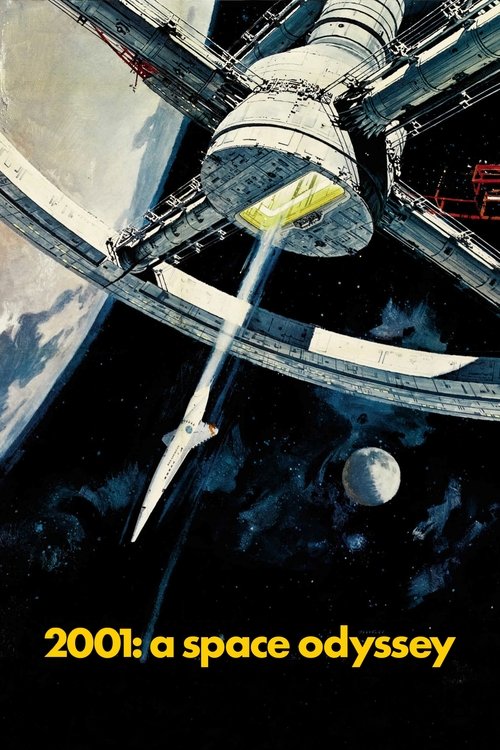
2001: A Space Odyssey (1968)
2h 29m · Space, silence, and enormous questions
A mysterious discovery connects human origins with a voyage into space, where a crew depends on the computer HAL 9000. Long stretches of observation make technology and the scale of the universe feel both remarkable and unsettling.
Why choose it: Choose it when you want images and sound to do much of the storytelling. Its interest in evolution, intelligence, and the unknown makes it a useful counterpoint to the more personal encounters in Arrival and Solaris.
Before you watchDeliberate pacing, little explanatory dialogue, and an ambiguous ending. Give it your attention rather than expecting a conventional space adventure with every question answered.
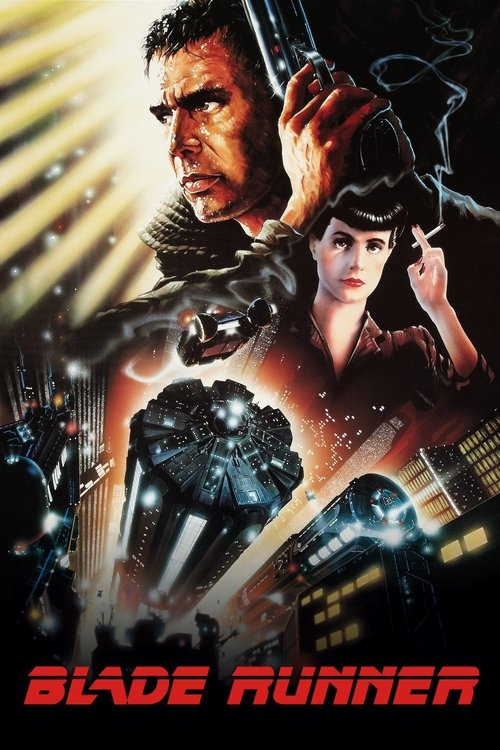
1h 57m · A detective story in a rain-soaked future
In a dystopian Los Angeles, Rick Deckard hunts artificial humans known as replicants. The investigation moves through a city whose crowded streets and artificial light give questions about memory, mortality, and identity a physical setting.
Why choose it: Choose it for atmosphere and moral uncertainty. The detective plot provides a thread, but the greater pull is spending time in its world and reconsidering the boundary between a person and a manufactured being.
Before you watchViolence, sexual content, and a measured pace. Multiple cuts exist, so runtime and some story details vary; check which version you are choosing.
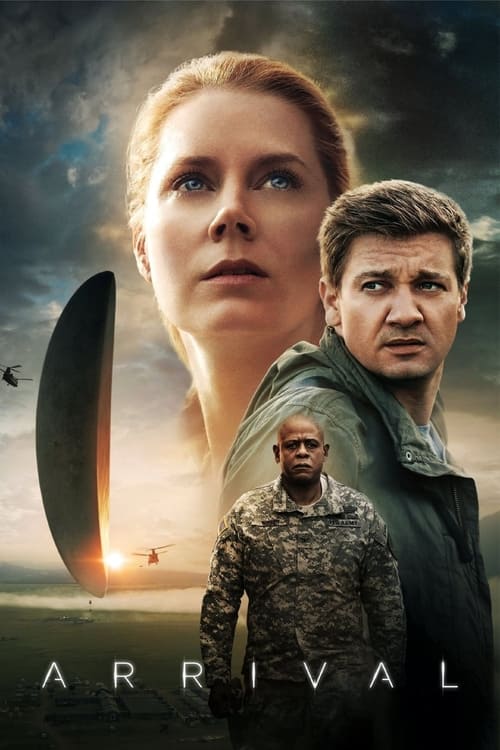
1h 56m · First contact through language and listening
After alien spacecraft arrive around the world, a linguist joins the effort to understand their visitors. Learning how to communicate becomes urgent as uncertainty and competing responses threaten the fragile contact.
Why choose it: Choose it for a balance of a large speculative idea and intimate emotional stakes. It rewards attention without requiring a taste for long action sequences, and its central mystery gives a newcomer a clear way into the genre.
Before you watchContains grief, illness, and military tension. Read as little plot detail as possible; the way information is revealed is part of the experience.
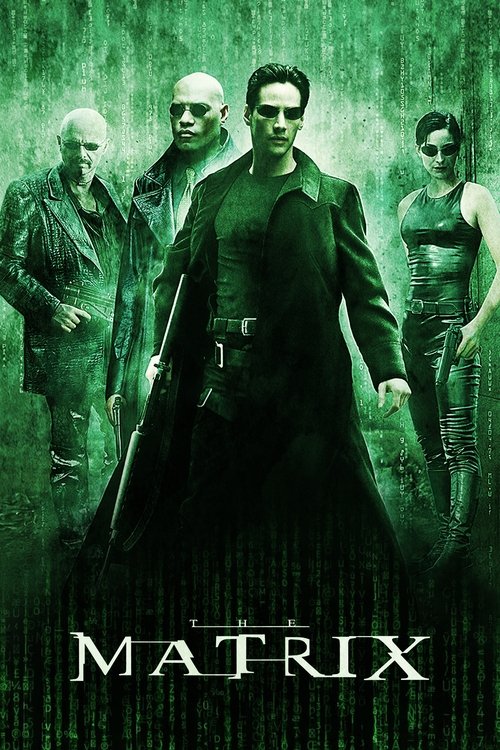
A computer hacker encounters a group who claim that his everyday world conceals a much larger system of control. Discovering what is real takes him into a conflict where understanding the rules can change what is possible.
Why choose it: Choose it when you want philosophical questions carried by chases, combat, and a strong sense of discovery. It is a more kinetic starting point than Arrival, while still leaving room to think about choice and perception.
Before you watchFrequent gun violence, martial-arts combat, and disturbing images. This is the original 1999 film; you can start here without committing to its sequels.
In a future where humanity has become infertile, a former activist is drawn into protecting a pregnant woman. The journey passes through a society shaped by fear, displacement, and the loss of a shared future.
Why choose it: Choose it for immediate tension in a future that feels close to the present. Its speculative premise stays rooted in people and places rather than elaborate technology, making it a different kind of immersion from Blade Runner.
Before you watchIntense violence, persecution, childbirth, and a bleak setting. Its running time is compact, but it is one of the most stressful choices here.
A programmer visits his employer’s secluded home to assess an artificial intelligence housed in a humanoid robot. Conversations become tests of trust as the visitor tries to understand both the machine and the person who created it.
Why choose it: Choose it if you prefer a small cast and shifting power relationships to an expansive futuristic world. The confined setting makes the questions about intelligence, autonomy, and manipulation feel personal.
Before you watchNudity, sexual themes, coercion, and violence. This is an unsettling psychological thriller, rather than a reassuring story about helpful technology.
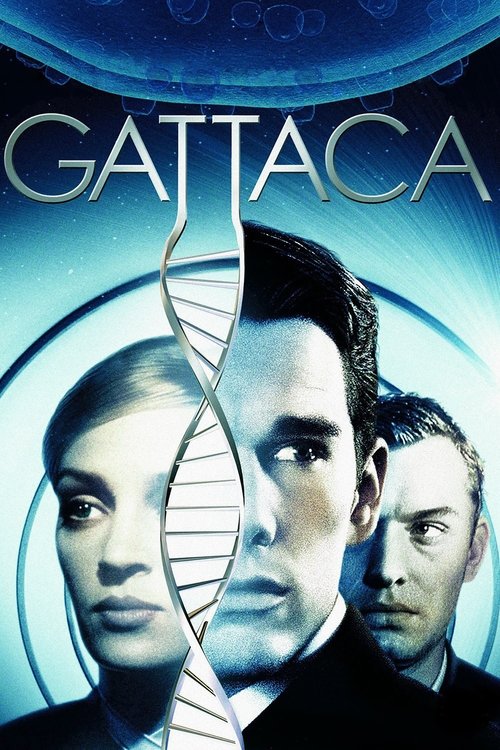
In a society that sorts people by their genetic prospects, Vincent assumes another identity to pursue a career in space travel. His daily effort to keep that identity intact becomes more precarious when an investigation reaches his workplace.
Why choose it: Choose it for a focused story about opportunity, determination, and the limits of prediction. Its future is expressed through institutions and everyday discrimination, with less spectacle than most of the other picks.
Before you watchContains discrimination, a murder investigation, suicide-related material, and bodily injury. It is more restrained than the action choices, but not a light comedy or a space-travel adventure.
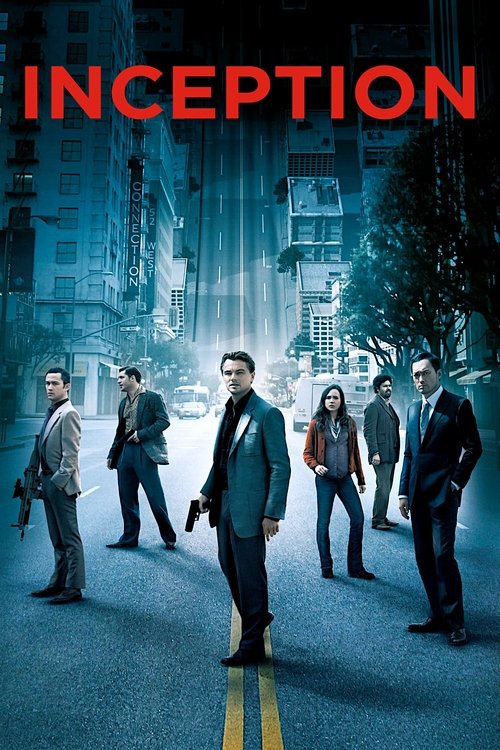
A thief who steals information through shared dreams is offered a different task: planting an idea. As a team prepares the job, the rules of entering and leaving dreams intersect with the thief’s unresolved personal history.
Why choose it: Choose it when you want a high-concept premise organized like a heist, with planning, specialist roles, and escalating complications. It pairs the question of what is real with a busier, more mechanical puzzle than The Matrix.
Before you watchNearly two and a half hours, with violence, grief, and suicide-related themes. Save it for a night when following the rules and simultaneous storylines sounds enjoyable.
A psychologist travels to a troubled space station above Solaris and encounters phenomena that disturb the boundary between memory and reality. The journey outward becomes an examination of what people carry with them.
Why choose it: Choose it for sustained attention to grief, intimacy, and the difficulty of understanding something truly unfamiliar. It is a companion to 2001 for a patient viewer, with its focus turned more directly toward human relationships.
Before you watchThis is the 1972 film, not the 2002 adaptation. Expect a long, contemplative watch with suicide-related material and emotional distress; check language and subtitle options before starting.
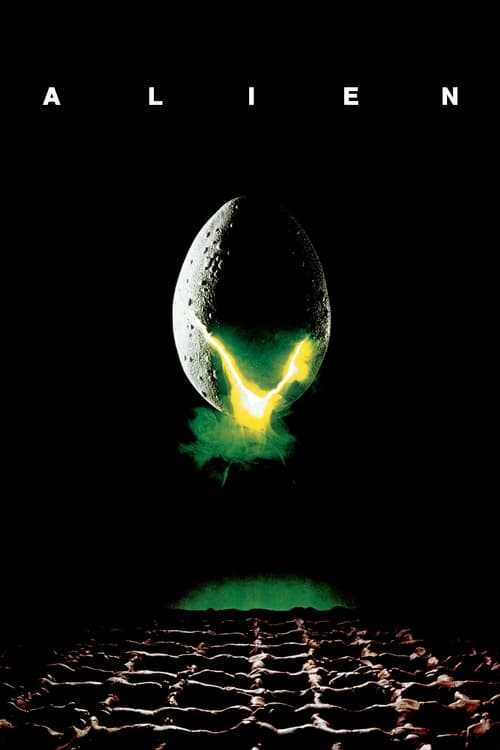
1h 57m · Survival horror aboard a working spaceship
A commercial spaceship’s crew investigates a signal on a remote world and brings a lethal threat aboard. Ordinary work routines and cramped industrial spaces become the setting for a fight to survive.
Why choose it: Choose it if you want science fiction to make a place feel believable before making it terrifying. The crew’s practical concerns give the horror weight, while the ship offers a very different vision of space travel from 2001.
Before you watchGraphic body horror, gore, and sustained suspense. This is the horror pick in the list; choose Arrival or Gattaca if you would rather avoid a creature stalking its victims.
Each film makes a speculative premise central to its drama: artificial life, alien contact, altered reality, or a society shaped by a different set of rules. The selection keeps several kinds of viewing experience in play, from action and horror to quiet contemplation.
This is a starting shelf, not a complete history or an objective ranking of science fiction. It spans 1968 to 2016 and leans toward English-language films, with the 1972 Solaris offering a different tradition. Animation, comedy, newer releases, and a wider range of international cinema would extend it further. The films explore ideas through fiction rather than serving as scientific forecasts.
Before you press play
A few useful answers.
What is a good first sci-fi movie from this list?
Start with Arrival if you want an accessible central mystery and an emotional story. Pick The Matrix if action is your way in, or Gattaca if you prefer a character-driven story with a future setting.
Which films are slow and which have more action?
2001: A Space Odyssey and Solaris ask for the most patience, with long passages of observation and reflection. The Matrix and Inception put their ideas into action-driven stories. Blade Runner is atmospheric and measured despite its detective premise.
Which sci-fi movies here are scary?
Alien is the clearest horror choice, with graphic body horror and sustained suspense. Ex Machina is psychologically unsettling, while Children of Men has intense violence and a bleak setting. Read the individual notes if you are choosing for a group; the other films also contain difficult material.
Where can I stream these sci-fi movies?
Availability changes by country and date. Check local streaming services or rental stores for the individual film and version, particularly Blade Runner and Solaris. This guide does not claim that a title is currently included with any subscription.
Keep discovering
Find the next film that fits you.
Explore Glean for personalized movie recommendations when you’re ready to move beyond this list.
 glean