A gripping trial can turn a single question into an entire evening of suspense. From the jury-room tension of 12 Angry Men to the comic cross-examinations of My Cousin Vinny, these nine films offer very different ways into the genre.
At 96 minutes, it is the shortest film here and a focused introduction to the genre’s central pleasure: watching an argument change what people believe. It takes place mostly in a jury room, so choose a different starting point if you want the trial itself.
These picks span jury deliberations, criminal defense, military justice, and comedy. Use the table to find your mood, then read the notes before choosing.
The order below is a suggested route through the genre, rather than a ranking. Each pick includes what makes it different and what to know before watching.
01Start here
12 Angry Men (1957)
1h 36m · A tense battle of ideas
A jury room becomes a pressure cooker as one juror challenges a seemingly straightforward guilty verdict. The suspense comes from how people reason, listen, and defend their assumptions, rather than from new crimes or courtroom spectacle.
Why choose it: Choose this if you want a compact, dialogue-driven introduction to the genre. Its focus on reasonable doubt makes it a useful starting point before moving to films about lawyers, judges, or the machinery of a trial.
Before you watchAlmost all the action stays in one room. Pick A Few Good Men if you want a broader investigation and a more theatrical confrontation.
Atticus Finch’s defense of a Black man accused of rape sits within a larger story about childhood, prejudice, and life in the American South. The trial carries weight because the film spends time showing the community around it.
Why choose it: Choose it for the relationship between personal courage and public injustice. It is a more reflective choice than a twist-led legal thriller, with a perspective that reaches well beyond the courtroom.
Before you watchContains racism and discussion of sexual violence. The courtroom proceedings are one part of a wider coming-of-age story.
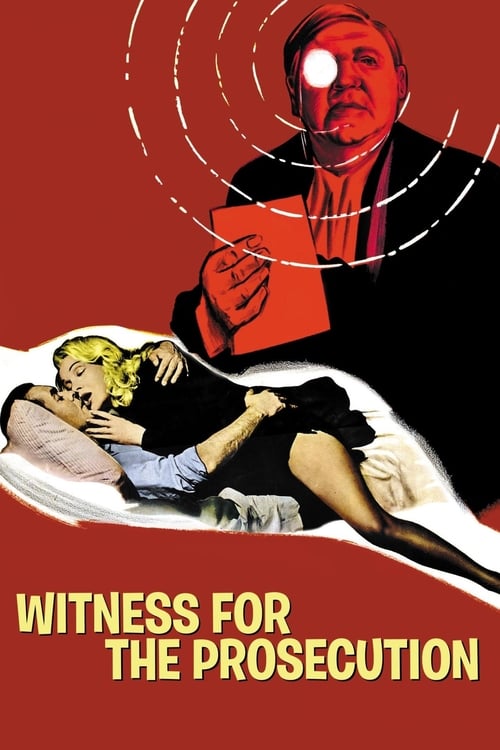
An experienced barrister takes on a murder defense that becomes harder to read with every piece of testimony. The pleasure is in watching apparently solid evidence change meaning as the case develops.
Why choose it: Choose this when you want legal sparring and the momentum of a classic mystery. Go in knowing as little as possible: its reversals are a large part of the experience.
Before you watchBest watched without reading a detailed plot summary. For a more grounded examination of trial strategy, try Anatomy of a Murder.
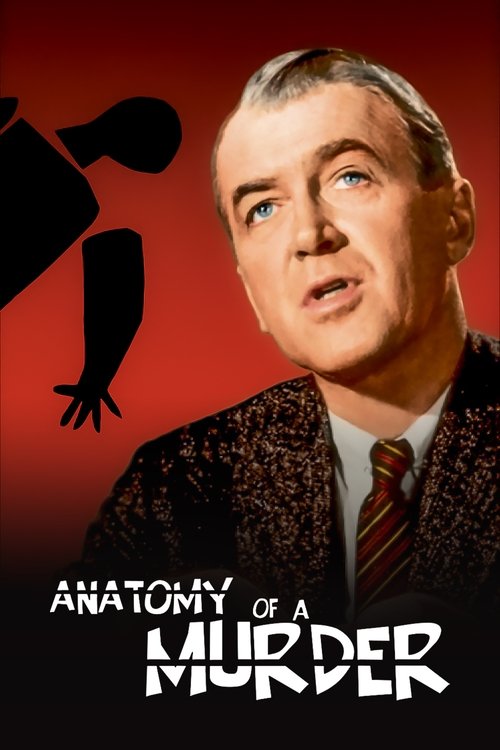
A small-town lawyer defends an Army lieutenant charged with killing a man who allegedly assaulted his wife. The film follows the work of shaping a legal argument, including uncomfortable questions about testimony and motive.
Why choose it: Choose it for ambiguity and the mechanics of advocacy. Rather than offering a simple hero-and-villain contest, it asks you to sit with uncertainty about what happened and how a case is presented.
Before you watchA long, talk-heavy watch with frank discussion of sexual assault. Save it for an evening when you can give the details your attention.
A teacher’s prosecution for teaching evolution draws two formidable legal opponents into a clash over belief, inquiry, and the freedom to think. The courtroom becomes a stage for a much larger cultural dispute.
Why choose it: Choose it if the arguments are what draw you to legal dramas. The tension comes from competing convictions and the people asked to defend them in public.
Before you watchA fictionalized drama inspired by the Scopes trial, rather than a documentary account of that case.
A postwar tribunal examines the responsibility of German judges who served under Nazi rule. Its central questions concern individual choices within institutions and the distance between following a system and accepting moral responsibility.
Why choose it: Choose it when you want a serious, sustained discussion rather than a quick legal thriller. It works as a companion to 12 Angry Men: both ask what justice requires, at very different scales.
Before you watchNearly three hours, with disturbing material concerning Nazi atrocities and the Holocaust. This is the heaviest choice in the list.
Military lawyers defending two Marines investigate a death that raises questions about orders, loyalty, and responsibility. The case moves between investigative work and confrontations within a rigid chain of command.
Why choose it: Choose it for the most direct mix of a mainstream thriller and courtroom drama here. It is a natural next step if you like forceful performances and evidence that builds toward a high-stakes exchange.
Before you watchContains violence and discussion of fatal hazing. For quieter, more personal legal stakes, move to The Verdict.
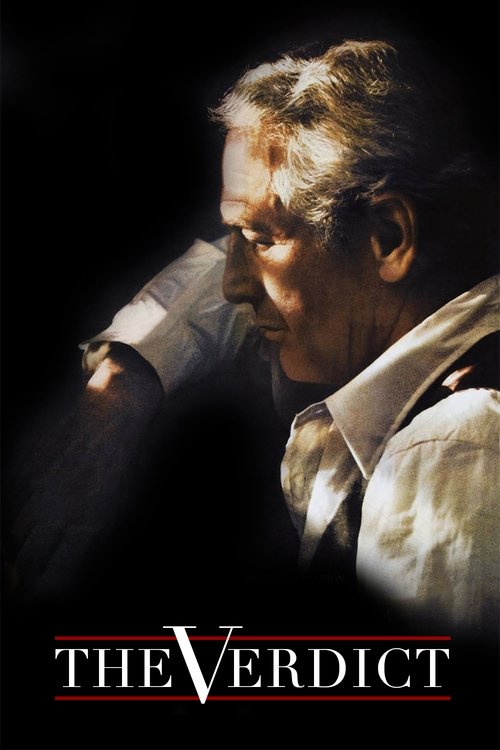
A struggling lawyer takes a medical malpractice case to trial. The legal fight matters, but the deeper pull is watching someone try to recover a sense of purpose through work he has nearly given up on.
Why choose it: Choose it when you want a measured, character-centered film. Its emotional weight comes from vulnerability and difficult decisions, rather than a constant stream of twists.
Before you watchDeliberate pacing, alcoholism, and medical negligence. A better fit for a reflective evening than a light movie night.
An inexperienced New York lawyer travels to Alabama to defend his cousin and a friend on a murder charge. Clashing personalities drive the comedy, while the case gives the story a clear thread to follow.
Why choose it: Choose it if you want legal maneuvering with warmth and laughs. It provides a welcome change of tone from this list’s more solemn films without dropping the pleasure of evidence being tested.
Before you watchStrong language and a murder case beneath the comedy. This is the lightest choice here, rather than a recommendation for every age group.
Each film makes a legal argument, a trial, or a jury’s decision central to its drama. The selection balances compact suspense, moral questions, mysteries, and comedy, so it offers several starting points rather than nine versions of the same experience.
This is a starting shelf of classics, not an exhaustive history of courtroom cinema. It leans toward English-language films from 1957 to 1992; contemporary and international legal dramas would broaden it further. These are dramatic works, not guides to legal procedure.
Before you press play
A few useful answers.
What is a good first courtroom drama?
Start with 12 Angry Men for a short, concentrated battle of ideas. Choose A Few Good Men if you prefer an investigation that builds toward a courtroom confrontation.
Which pick is funny rather than heavy?
My Cousin Vinny is the clear comedy pick. It still revolves around a murder case and includes strong language, so lighter does not mean suitable for every viewer.
Are these films based on real trials?
Some draw on historical events, but the list should not be treated as documentary evidence. Inherit the Wind fictionalizes a story inspired by the Scopes trial; Judgment at Nuremberg dramatizes questions arising from postwar war-crimes tribunals.
Where can I stream these courtroom movies?
Availability changes by country and date. Check your local streaming services or rental stores for the individual title. This guide does not claim that a film is currently included with any subscription.
Keep discovering
Find the next film that fits you.
Explore Glean for personalized movie recommendations when you’re ready to move beyond this list.
 glean